
Mount Rinjani, towering at 3,726 meters (12,224 feet), is the second-highest volcano in Indonesia and a defining landmark on Lombok Island. Its history is a fascinating blend of geological activity, cultural traditions, and modern exploration, making it one of the most iconic natural wonders in Southeast Asia. This volcano has shaped not only the physical landscape of Lombok but also the spiritual and cultural identity of the local communities.
Geological Formation and Activity
Mount Rinjani is part of the Pacific Ring of Fire, a region known for intense volcanic and seismic activity. Its formation began hundreds of thousands of years ago through successive volcanic eruptions that built up layers of lava and ash. The volcano is classified as a stratovolcano, characterized by steep profiles and periodic explosive eruptions.
One of the most remarkable features of Mount Rinjani is its large caldera, approximately 6 by 8.5 kilometers in size, which was formed by a massive eruption around 1257 AD. This catastrophic event created the crater lake known as Segara Anak, meaning “Child of the Sea” in the local language. The lake is a stunning turquoise body of water nestled within the caldera, surrounded by rugged cliffs and smaller volcanic cones.
Mount Rinjani remains an active volcano, with eruptions recorded throughout history. The most recent significant eruption occurred in 2016, producing ash plumes and lava flows that affected nearby villages. Despite its activity, the volcano’s eruptions are closely monitored by Indonesian volcanologists, ensuring safety for residents and visitors.
Cultural and Spiritual Importance
Mount Rinjani holds deep spiritual significance for the Sasak people, the indigenous inhabitants of Lombok, as well as for Balinese Hindus who also revere the mountain. It is considered a sacred place where the spiritual and physical worlds intersect. The mountain is often associated with deities and ancestral spirits, and many local myths and legends revolve around its origins and power.
Pilgrimages to Mount Rinjani are common, especially during significant religious festivals. Devotees trek to the summit or to sacred sites around the crater lake to perform rituals and offerings. These ceremonies are believed to bring blessings, protection, and harmony between humans and nature. The reverence for Mount Rinjani has helped preserve its natural environment, as locals view the mountain as a living entity deserving respect.
Historical Exploration and Development of Tourism
For much of its history, Mount Rinjani was relatively inaccessible due to its steep slopes, dense tropical forests, and unpredictable weather. Early explorers and naturalists in the 19th and early 20th centuries documented the mountain’s unique flora, fauna, and geology, contributing to scientific knowledge about volcanic ecosystems.
In recent decades, Mount Rinjani has become a premier destination for trekking and adventure tourism. The establishment of Mount Rinjani National Park in 1997 was a pivotal moment in protecting the area’s biodiversity and promoting responsible tourism. The park covers over 41,000 hectares and is home to diverse wildlife, including rare bird species and endemic plants.
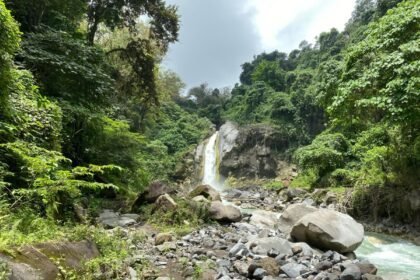
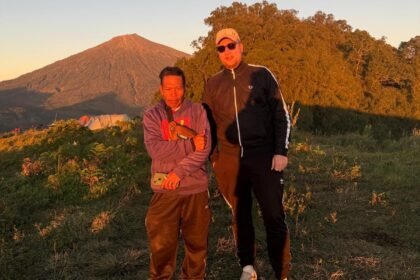
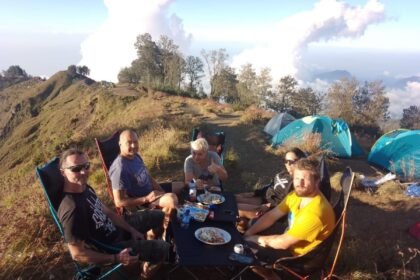
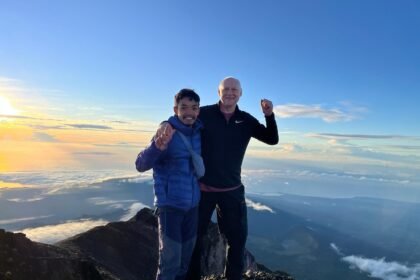
Trekking routes vary in difficulty, with popular trails leading hikers through rainforests, savannahs, and volcanic landscapes to reach the summit and the crater lake. The challenging climb rewards adventurers with panoramic views of Lombok, neighboring islands, and the Indian Ocean. Tourism has brought economic benefits to local communities, encouraging conservation efforts and cultural exchange.
Environmental Challenges and Conservation Efforts
The growing popularity of Mount Rinjani has also brought environmental challenges, including waste management issues, trail erosion, and habitat disturbance. Local authorities and conservation groups have implemented measures to mitigate these impacts, such as visitor education programs, regulated trekking permits, and cleanup campaigns.
Sustainable tourism initiatives aim to balance visitor experience with the preservation of Mount Rinjani’s natural and cultural heritage. Community-based tourism projects involve local guides and homestays, ensuring that economic benefits support indigenous peoples and incentivize environmental stewardship.
Conclusion
The history of Mount Rinjani is a rich tapestry of volcanic forces, spiritual traditions, and human exploration. Its towering presence on Lombok Island is not only a geological marvel but also a cultural beacon that continues to inspire awe and respect. As both a sacred site and a popular trekking destination, Mount Rinjani exemplifies the dynamic relationship between nature and humanity, highlighting the importance of preserving such extraordinary landscapes for future generations.